
News
-
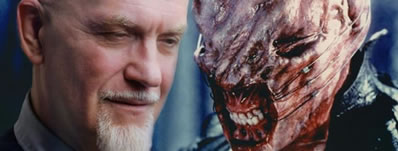
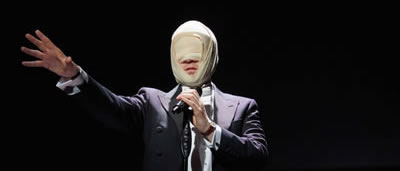
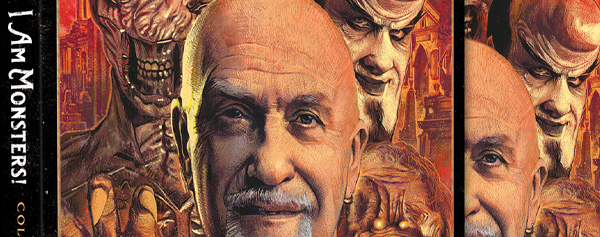 FILM NEWS (UK): Nicholas Vince’s movie adaptation of his one-man show I AM MONSTERS! gets exclusive LE Blu Ray releaseRead More
 -
 NYX UK announces twelve channel premieres for October 2024, including SANTA SANGRE, BOOK OF MONSTERS, and the newly released BEYOND THE CHAMBER OF TERROR and GLOWZIES.Read More
 -
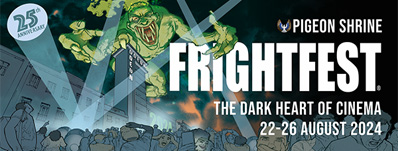
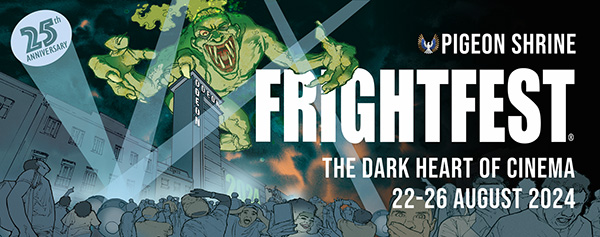 FILM NEWS (UK): Pigeon Shrine FrightFest 2024 announces additional title, plus current guest line-up and special eventsRead More
 -
 NYX UK announces channel premieres for June 2024, including the World premiere of CANNIBAL HOLOCAUST: EXPOSED, an exclusive documentary hosted by Kim Newman and Alan Jones.Read More
 -
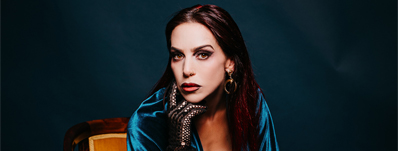 The No.1 Fast TV channel for horror fans teams up with genre icon Emily Booth for HorrorConUKRead More
 -
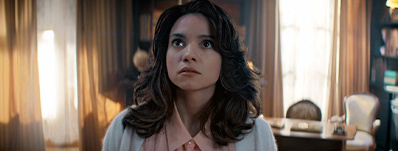 Film news: Federico Zampaglione’s THE WELL to receive World premiere at Sitges Film FestivalRead More
 -
 The UK’s fast-growing Fast TV channel for horror fans unveils a classic line-up of genre movies for September 2023Read More
 -
 10 Questions with George Baron, director of the gender-bending noir thriller THE BLUE ROSERead More
 -
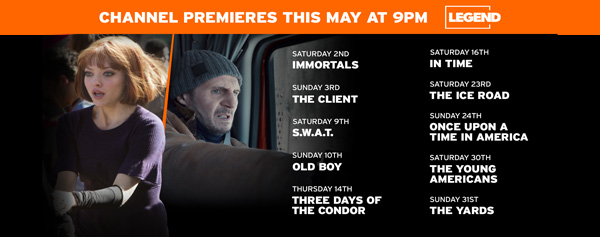
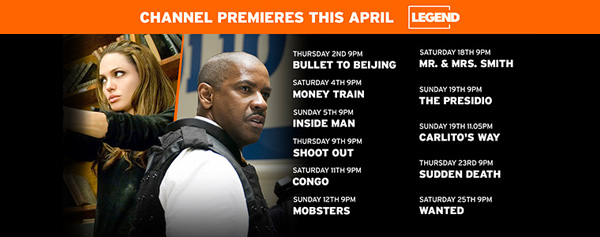
 LEGEND unveils a sizzling summer line-up of action & classic horror premieres for August 2023Read More
 -
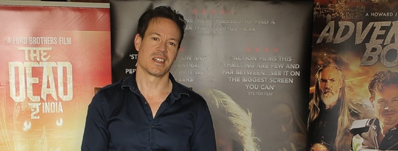 Ahead of Legend’s UK TV Premiere of horror revenge thriller NEVER LET GO, director Howard J Ford reflects on a near tragic family experience, the importance of locations and returning to his horror genre rootsRead More
 -
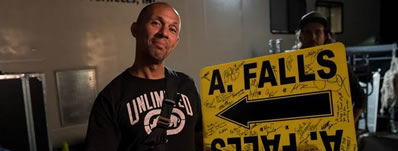
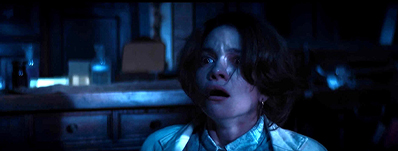 Film news: First images are revealed from the set of Federico Zampaglione’s new horror filmRead More
 -
 Festival news: Arrow Video FrightFest announces line-up for its October 2020 Digital editionRead More
 -
 Festival news: Arrow Video FrightFest cancels October Cineworld event midst growing COVID restrictionsRead More
 -
 Interview with writer, actress & producer Caroline Goodall, ahead of the release of THE BAY OF SILENCE on 28 SeptemberRead More
 -
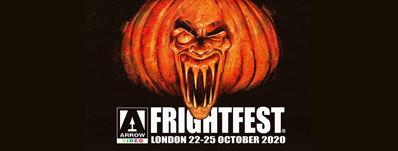 FESTIVAL NEWS (UK): Arrow Video FrightFest announces line-up for October 2020 Cineworld eventRead More
 -
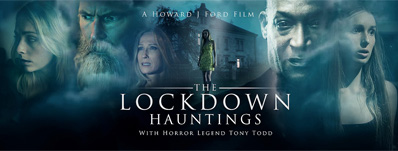
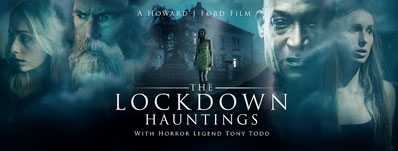 First look: Trailer and poster art revealed for Howard J Ford’s latest feature, THE LOCKDOWN HAUNTINGSRead More
 -
 Ahead of the UK premiere of TRIGGERED, his cat-and-mouse slasher, Alastair Orr talks about being inspired by old console games and why he loves working in South AfricaRead More
 -
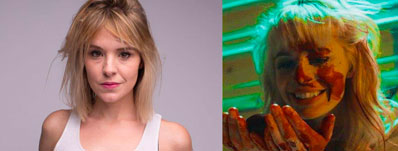 Ahead of the FrightFest UK premiere of 12 HOUR SHIFT, director Brea Grant talks about her Valentine to East Texas’ and the heroism of nurses.Read More
 -
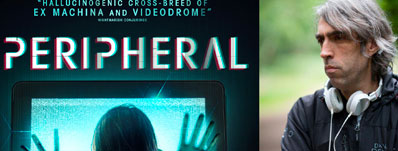 Ahead of the Digital release of his latest film PERIPHERAL, director Paul Hyett talks about the importance of creative freedom, the lockdown and future projects.Read More
 -
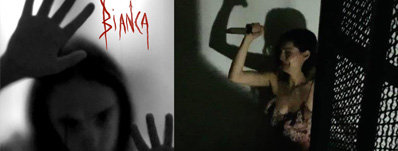 TULPA & SHADOW director Federico Zampaglione shares lockdown horror movie shot in three daysRead More
 -
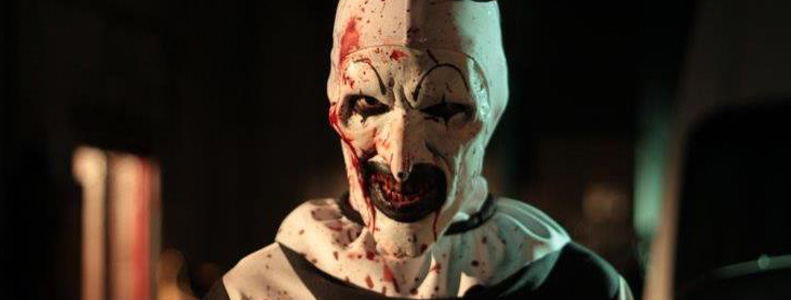 Film news (UK): SINISTER, TERRIFIER & TOWER BLOCK amongst Horror Channel premieres in NovemberRead More
 -
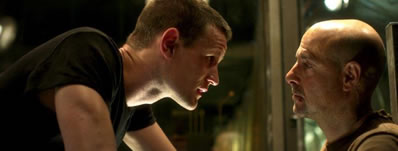 PATIENT ZERO gets UK TV premiere on Horror Channel. Plus YOU’RE NEXT & LET ME IN get channel prems.Read More
 -
 Nicholas Vince to explore his ‘monstrous world’ in new one-man show at Pleasance Theatre, London.Read More
 -
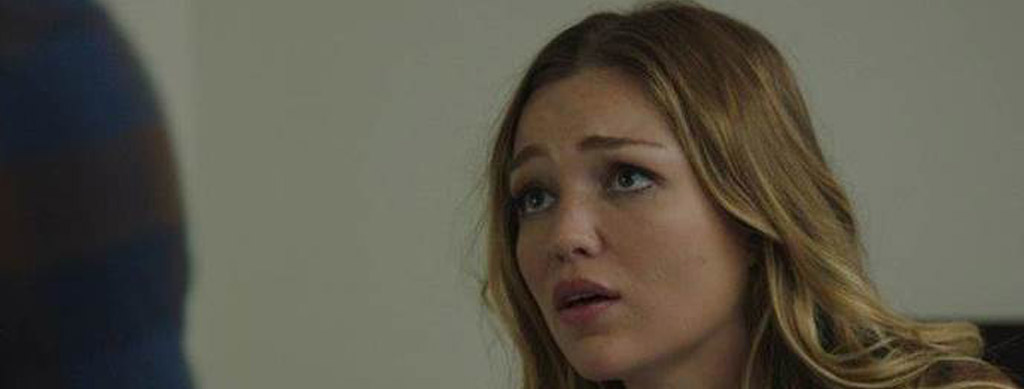 Film news (UK): THE DEVIL’S CANDY gets its long-awaited UK TV premiere on Horror Channel. Plus Chad Archibald’s BITE gets channel premRead More
 -
 Arrow Video FrightFest 2019 announces more guests, special events & shortlist for Screen Genre Rising Star AwardRead More
 -
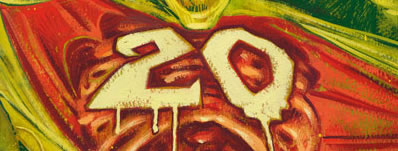 REVEALED: Graham Humphreys’ stunning artwork for Arrow Video FrightFest 2019 celebrates the festival’s 20th year milestone.Read More
 -
 Frightfest’s Paul Mcevoy & Entrepreneur Tom Lawes Team Up To Launch International Film Consultancy FirmRead More
 -
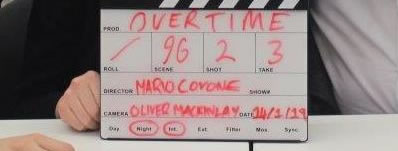 Video Nasty comic book writer Mario Covone starts shooting his directorial feature, OVERTIME.Read More
 -
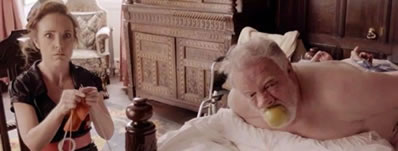 Interview with ATTACK OF THE ADULT BABIES director Dominic Brunt and actor Joanne MitchellRead More
 -
 Curated Horror Hits from the UK’s Leading Genre Festival & UK’s Leading Independent Film DistibutorRead More
 -
 Arrow Video FrightFest 2018 announces guest line-up, additional films & Long List for Screen Genre Rising Star AwardRead More
 -
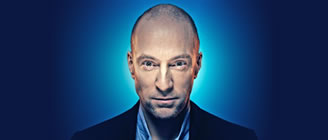 Derren Brown’s next original filmed show will be with Netflix as part of deal with Vaudeville ProductionsRead More
 -
 Andy Nyman & Jeremy Dyson join judges panel for FrightFest & Glasgow Film Festival‘s 90 Second Film ChallengeRead More
 -
 ZOMBIE SPRING BREAKERS (aka IBIZA UNDEAD) gets US release in 76 Cinemark theatres on Nov 2.Read More